Botanical Overview
Aglaia elaeagnoidea is a species in the Meliaceae family. The mahogany family (Meliaceae) includes trees and shrubs with compound leaves and small flowers arranged in branched inflorescences. The fruits are capsules, drupes, or berries. Many species contain limonoid triterpenes with potent insecticidal and antifeedant properties, including azadirachtin from neem. Phytochemical data for this species are limited at present.
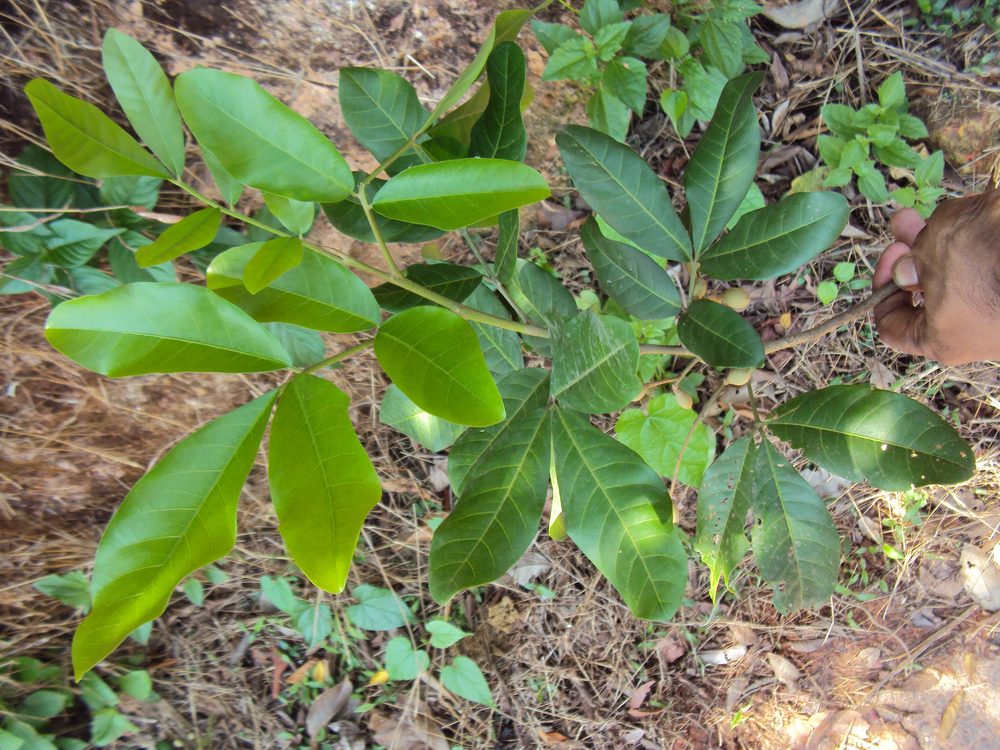
General Description
It is a 10m tall tree found in American Samoa, Australia (Western Australia and Queensland), Cambodia, China, India, Indonesia, Malaysia, New Caledonia, Papua New Guinea, the Philippines, Samoa, Sri Lanka, Taiwan (Hengchun Peninsula), Thailand, Vanuatu, and Vietnam.
Family Context
The Meliaceae family is widely distributed. Notable medicinal members include:
- Chinaberry — 54 documented uses
- Neem — 49 documented uses
- Andiroba — 17 documented uses
- Jojoban — 16 documented uses
Geographic Distribution
Aglaia elaeagnoidea has been recorded in 10 countries and territories worldwide, including Australia, China, Indonesia, India, Sri Lanka, and others.
Active Compounds
Phytochemical research has identified 1 compound in this species: aglalactone.
The identified compounds include the following categories:
- Terpene: aromatic compounds with anti-inflammatory and antimicrobial properties
Research Status
Although this species has documented phytochemical constituents, its ethnobotanical and clinical documentation remains incomplete. Additional phytochemical investigation could identify novel bioactive compounds in this plant.