Botanical Overview
Mescal (Agave sisalana) belongs to the Agavaceae family. While not among the most extensively documented medicinal plants, this species has recorded uses that warrant attention from researchers and practitioners. This species belongs to the Agavaceae family, a group of flowering plants.
General Description
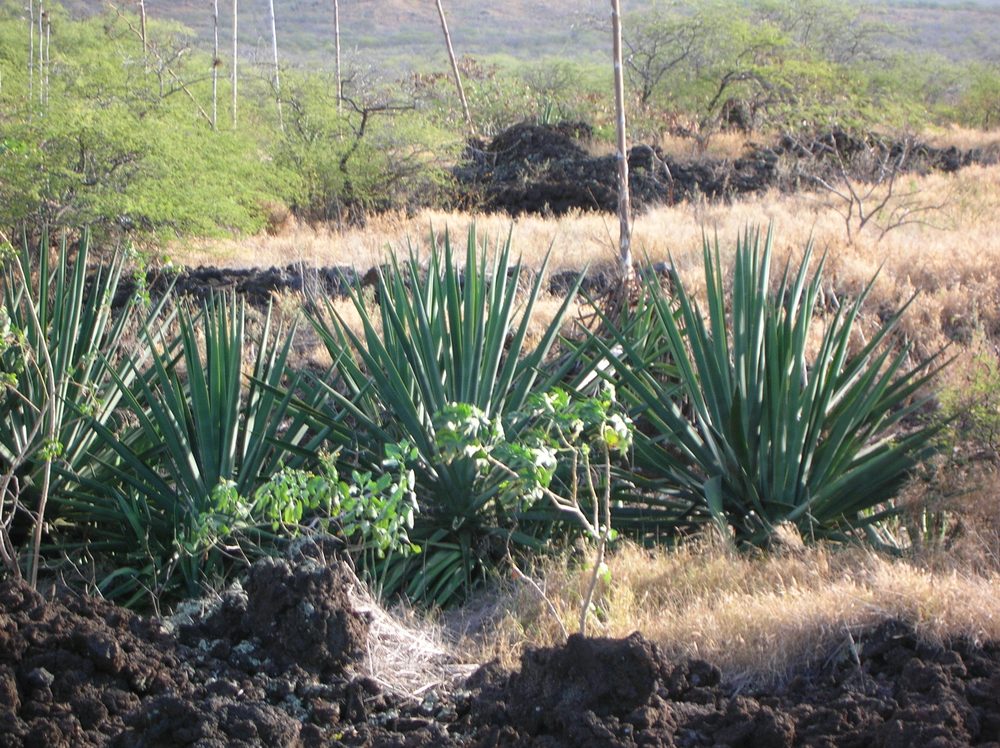
It yields a stiff leaf fiber used in making rope and various other products. The sisal fiber is traditionally used for rope and twine, and has many other uses, including cloth, footwear, hats, bags, carpets, geotextiles, and dartboards. It is also used as fiber reinforcements for composite fiberglass, rubber, and concrete products. Like other agaves, the pith of the leaves can be fermented and distilled to make mezcal.
Family Context
The Agavaceae family is widely distributed. Notable medicinal members include:
- Century Plant — 17 documented uses
- Tuberose — 17 documented uses
- African Bowstring Hemp — 10 documented uses
- Joshua Tree — 2 documented uses
Geographic Distribution
Mescal has been recorded in 10 countries and territories worldwide, including Australia, Spain, Ethiopia, Kenya, Malawi, and others.
Traditional Uses
Mescal has been traditionally used for digestive health, skin and wound care, and reproductive health, among other applications.
Digestive health.
- Dysentery
For digestive complaints, the herb is typically prepared as a tea or decoction taken before meals. The bitter compounds stimulate digestive secretions and improve nutrient absorption. Some traditions use the powdered root or leaves in small doses as a stomachic tonic.
Skin and wound care.
- Leprosy
For skin conditions, the fresh or dried plant is applied topically as a poultice, wash, or compress. A strong decoction can be used to clean wounds and sores. The antimicrobial properties help prevent infection while promoting tissue repair.
Reproductive health.
- Syphilis
In traditional contexts, reproductive health applications typically involve internal preparations such as teas or decoctions. The herb may be taken at specific times during the menstrual cycle.
Active Compounds
Phytochemical research has identified 24 compounds in this species, including a diverse array of phytochemical classes (see the Complete Chemical Inventory below for the full list).
The identified compounds include the following categories:
- Sterol: cholesterol-like compounds with anti-inflammatory properties