Horse Chestnut

Botanical Overview

Horse Chestnut (Aesculus hippocastanum) is a flowering plant in the Hippocastanaceae family. Traditional medicine systems have documented several valuable applications for this species, supported by its observed therapeutic effects. This species belongs to the Hippocastanaceae family, a group of flowering plants.
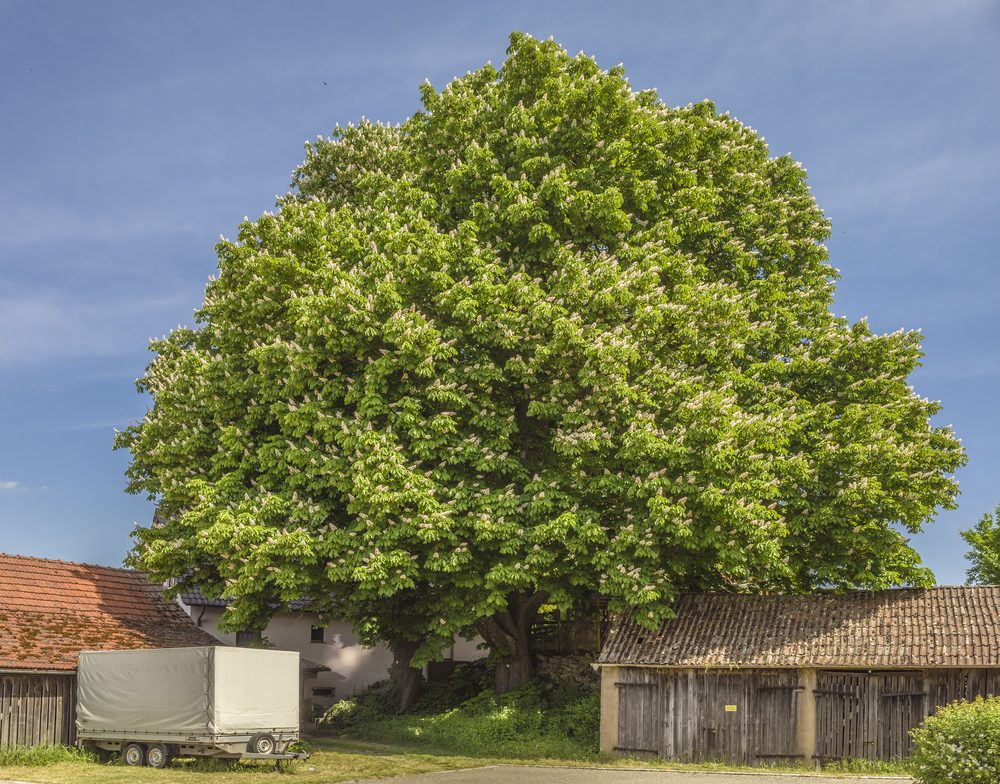
General Description

It is a large, deciduous, synoecious (hermaphroditic-flowered) tree. It is also called horse-chestnut, European horsechestnut, buckeye, and conker tree. It is not to be confused with the sweet chestnut or Spanish chestnut, Castanea sativa, which is a tree in another family, Fagaceae.

ⓘ Information
Description adapted from Wikipedia (CC BY-SA 4.0).

Geographic Distribution

Horse Chestnut has been recorded in 10 countries and territories worldwide, including Belgium, Switzerland, Germany, Denmark, Spain, and others.

Traditional Uses

Horse Chestnut has been traditionally used for skin and wound care, pain and inflammation, and nervous system disorders, among other applications.

Skin and wound care.

  • Sore

For skin conditions, the fresh or dried plant is applied topically as a poultice, wash, or compress. A strong decoction can be used to clean wounds and sores. The antimicrobial properties help prevent infection while promoting tissue repair.

Pain and inflammation.

  • Anodyne
  • Neuralgia
  • Rheumatism

For pain and inflammation, preparations are applied both topically as compresses and taken internally. A warm poultice draws blood to the area and promotes healing, while internal preparations address systemic inflammation.

Nervous system disorders.

  • Narcotic

Nervous system support involves taking the herb as a warm tea, often in the evening or before bed. The calming compounds interact with neurotransmitter systems to promote relaxation and restful sleep.

Active Compounds

Phytochemical research has identified 30 compounds in this species, including a diverse array of phytochemical classes (see the Complete Chemical Inventory below for the full list).

The identified compounds include the following categories:

  • Flavonoid: antioxidant compounds that protect cells from oxidative damage
  • Phenolic: antioxidant compounds that neutralize free radicals
  • Coumarin: aromatic compounds with anticoagulant and anti-inflammatory effects
ⓘ Information
Information on this page is compiled from Dr. Duke’s Phytochemical and Ethnobotanical Databases (USDA ARS), a public domain resource. Consult a healthcare professional before using any herbal preparation.
⚠ Caution
Traditional records: This plant has documented uses including Narcotic, Poison. Self-medication with herbs carries risks including allergic reactions, drug interactions, and toxicity. Only use under the supervision of a qualified healthcare professional.

Distribution and Conservation

Reported distribution: Belgium, Switzerland, Germany, Denmark, Spain, France, United Kingdom, Netherlands, Sweden, United States.

Complete Use Records

CategoryCultural Context
FeverItalian, US
PilesFrench, US
TonicGerman, US
VasoconstrictorEnglish, Spain
AnalgesicDutch
AnodyneItalian
AstringentFrench
NarcoticPortuguese
NeuralgiaUS
PertussisDutch
PoisonMexico
Preventitive(Rheumatism)US
RectumUS
RheumatismEnglish
Sclerosis(Breast)Italy
SoreUS
SternutatoryTurkey
VulneraryItalian
AlterativeSpanish
HemostaticElsewhere
Back
Rectitis
Cancer
Malaria

Complete Chemical Inventory

CompoundFormulaMW
(+)-CATECHINC₁₅H₁₄O₆290.27 Da
(+)-PINITOLC₇H₁₄O₆194.18 Da
(-)-EPICATECHINC₁₅H₁₄O₆290.27 Da
(-)-QUERBRACHITOL
(-)-QUINIC-ACIDC₇H₁₂O₆192.17 Da
1,8-CINEOLC₁₀H₁₈O154.25 Da
1-KESTOSEC₁₈H₃₂O₁₆504.4 Da
16-DESOXY-BARRINGTOGENOL
2,3-DIMETHYL-HEPT-5-EN-1-AL
2-CARBOXYARABINITOLC₆H₁₂O₇196.16 Da
2-KESTOSEC₁₈H₃₂O₁₆504.4 Da
2-METHYL-BUTEN-1-AL
24-METHYLENE-CYCLOARTENOL
3',4',7-TRIMETHYL-ETHER
3,5-DIHYDROXY-3',4'7-TRIMETHOXYFLAVONE
3-METHYL-BUTAN-1-AL
3[2'(BETA-D-GLUCOPYRANOSIDO)4'(BETA-D-GLUCOPYRANOSIDO)BETA-D-GLUCURONOPYRANOSIDO]21-BETA-ANGELOYL-22-ALPHA-ACETYL-PROTOA
3[2'(BETA-D-GLUCOPYRANOSIDO)4'(BETA-D-GLUCOPYRANOSIDO)BETA-D-GLUCURONOPYRANOSIDO]21-BETA-TIGLOYL-22-ALPHA-ACETYL-PROTOAE
5-ALPHA-TIRUCALLA-8-23-DIEN-3-BETA-OL
5-HYDROXY-METHYL-FURFURAL
6,7-DIHYDROXYCOUMARINC₉H₆O₄178.14 Da
6,7-DIHYDROXYCOUMARIN-6-GLUCOSIDEC₁₅H₁₆O₉340.28 Da
ACETIC-ACIDC₂H₄O₂60.05 Da
ADENINEC₅H₅N₅135.13 Da
ADENOSINEC₁₀H₁₃N₅O₄267.24 Da
AESCIGENINC₃₀H₄₈O₅488.7 Da
AESCINC₅₅H₈₆O₂₄1131.3 Da
AESCULETINC₉H₆O₄178.14 Da
AESCULETOL
AESCULINC₁₅H₁₆O₉340.28 Da

Data from PubChem (NIH/NLM, public domain).


References & Further Reading

External Research Links

Data Sources