Botanical Overview
Adansonia digitata is a flowering plant in the Bombacaceae family. This plant has earned a place in traditional medicine through its consistent therapeutic benefits, recorded across multiple cultures. This species belongs to the Bombacaceae family, a group of flowering plants.
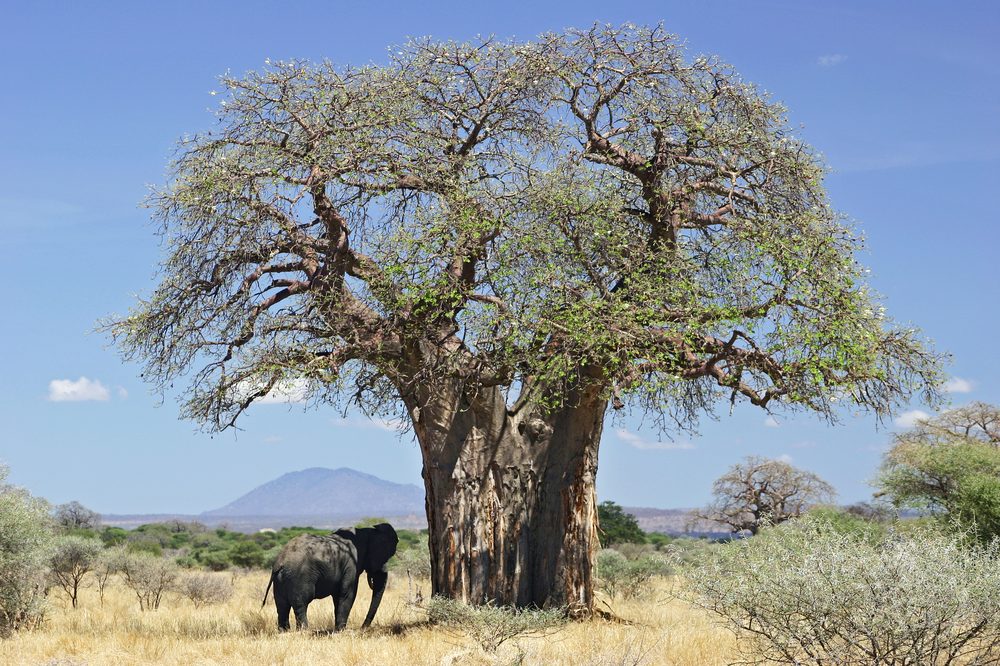
General Description
These are long-lived pachycauls; radiocarbon dating has shown at least one individual to be 1,275 years old. They are typically found in dry, hot savannas of sub-Saharan Africa, where they dominate the landscape and reveal the presence of a watercourse from afar. They have traditionally been valued as sources of food, water, health remedies or places of shelter and are a key food source for many animals. They are steeped in legend and superstition. In recent years, many of the largest, oldest trees have died, for unknown reasons. Other common names for the baobab include monkey-bread tree, upside-down tree, and cream of tartar tree.
Family Context
The Bombacaceae family is widely distributed. Notable medicinal members include:
- Kapok — 34 documented uses
- Durian — 6 documented uses
- Provision Tree — 2 documented uses
- Large-Fruited Provision Tree — 2 documented uses
Geographic Distribution
Adansonia digitata has been recorded in 10 countries and territories worldwide, including Burkina Faso, Benin, Botswana, Kenya, Malawi, and others.
Traditional Uses
Adansonia digitata has been traditionally used for digestive health, fever management, and metabolic and nutritional health, among other applications.
Digestive health.
- Dysentery
For digestive complaints, the herb is typically prepared as a tea or decoction taken before meals. The bitter compounds stimulate digestive secretions and improve nutrient absorption. Some traditions use the powdered root or leaves in small doses as a stomachic tonic.
Fever management.
- Fever
- Malaria
Febrifuge preparations are typically administered as hot teas to induce perspiration, which helps the body regulate temperature. The patient is kept warm and encouraged to rest while the herb promotes sweating.
Metabolic and nutritional health.
- Diaphoretic
- Refrigerant
Metabolic applications include consuming the plant as a food, fresh juice, or herbal infusion. Regular use supports the body’s natural metabolic processes and nutritional status.
Active Compounds
Phytochemical research has identified 2 compounds in this species: betulinic-acid, palmitic-acid.