Sweetflag

Also known as: Calamus, Flagroot, Myrtle Flag, Sweet Calamus, Sweetroot

Botanical Overview

Commonly known as Sweetflag, this species belongs to the Acoraceae family. This species holds a prominent place in the global materia medica, with an extensive record of traditional use spanning diverse cultures and medical systems. This species belongs to the Acoraceae family, a group of flowering plants.
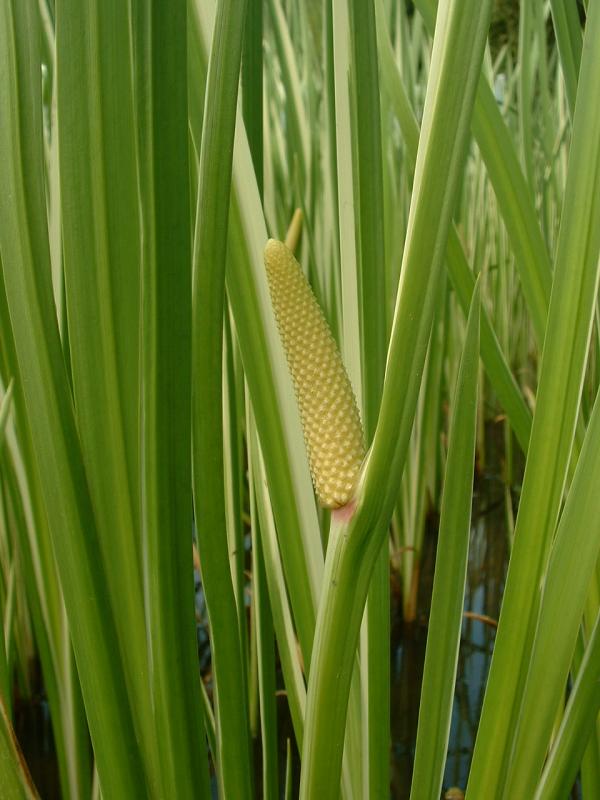
General Description

It is a tall wetland monocot of the family Acoraceae, in the genus Acorus. Although used in traditional medicine over centuries to treat digestive disorders and pain, it has no clinical evidence of safety or efficacy and may be toxic if ingested, and so has been commercially banned for use in food in the United States.

ⓘ Information
Description adapted from Wikipedia (CC BY-SA 4.0).

Geographic Distribution

Sweetflag has been recorded in 10 countries and territories worldwide, including Belgium, Germany, Denmark, France, United Kingdom, and others.

Traditional Uses

Sweetflag has been traditionally used for digestive health, respiratory conditions, and pain and inflammation, among other applications.

Digestive health.

  • Carminative
  • Dyspepsia
  • Ache(Stomach)
  • Colic
  • Diarrhea
  • Stomachic
  • Vermifuge
  • Dysentery

For digestive complaints, the herb is typically prepared as a tea or decoction taken before meals. The bitter compounds stimulate digestive secretions and improve nutrient absorption. Some traditions use the powdered root or leaves in small doses as a stomachic tonic.

Respiratory conditions.

  • Asthma
  • Bronchitis
  • Cold
  • Cough
  • Expectorant

Respiratory conditions are addressed through steam inhalation of the herb’s vapors or internal use as a warm tea. The hot infusion acts as an expectorant, helping to loosen phlegm and clear congestion. Some traditions combine it with honey for coughs.

Pain and inflammation.

  • Ache(Head)

For pain and inflammation, preparations are applied both topically as compresses and taken internally. A warm poultice draws blood to the area and promotes healing, while internal preparations address systemic inflammation.

Active Compounds

Phytochemical research has identified 30 compounds in this species, including a diverse array of phytochemical classes (see the Complete Chemical Inventory below for the full list).

The identified compounds include the following categories:

  • Alkaloid: nitrogenous compounds with diverse pharmacological activities
ⓘ Information
Information on this page is compiled from Dr. Duke’s Phytochemical and Ethnobotanical Databases (USDA ARS), a public domain resource. Consult a healthcare professional before using any herbal preparation.
⚠ Caution
Traditional records: This plant has documented uses including Emetic, Abortifacient. Self-medication with herbs carries risks including allergic reactions, drug interactions, and toxicity. Only use under the supervision of a qualified healthcare professional.

Distribution and Conservation

Reported distribution: Belgium, Germany, Denmark, France, United Kingdom, Netherlands, Poland, Russia, Sweden, United States.

Complete Use Records

CategoryCultural Context
CarminativeChina, Egypt, Elsewhere, Italian, US(Amerindian), US(Appalachia), US(Blackfoot)
DyspepsiaElsewhere, India(Santal), US(Amerindian), US(Cree), US(Ojibwe)
Ache(Stomach)China, US(Amerindian), US(Menomini), US(Ojibwe)
EmeticArabic, Egypt, Elsewhere, Nepal
TonicEgypt, Elsewhere, Turkey, US
ColicChina, Elsewhere, US(Blackfoot)
DiarrheaEgypt, Elsewhere, Java
FeverEnglish, US(Amerindian), US(Blackfoot)
SpasmEgypt, Elsewhere, US(Saulteau)
StimulantElsewhere, Sanscrit, US
StomachicEgypt, Elsewhere, Swedish
Ache(Tooth)US(Amerindian), US(Blackfoot), US(Saulteau)
VermifugeBrazil, China, Java
AbortifacientNew Guinea, Yugoslavia
AsthmaEgypt, India(Santal)
BronchitisIndia(Santal), Nepal
CancerChina, Malaya
ColdChina, US(Blackfoot)
CoughUS, US(Amerindian)
DysenteryChina, Egypt
EmmenagogueEgypt, German
EpilepsyChina, India(Santal)
ExpectorantChina, US(Appalachia)
EyeChina, Egypt
FumitoryUS(Amerindian), US(Saulteau)
LiqueurEgypt, Elsewhere
NervineFrench, Nepal
Sore(Throat)US(Cree), US(Saulteau)
Ache(Head)US(Saulteau)
AnorexiaChina

Complete Chemical Inventory

CompoundFormulaMW
(+)-CALAMUSENONEC₁₅H₂₂O218.33 Da
(-)-BETA-CURCUMENEC₁₅H₂₄204.35 Da
(-)-TROPONEC₇H₆O106.12 Da
1,8-CINEOLEC₁₀H₁₈O154.25 Da
2,4,5-TRIMETHOXYBENZALDEHYDEC₁₀H₁₂O₄196.20 Da
2,5-DIMETHOXYBENZOQUINONEC₈H₈O₄168.15 Da
2,5-DIMETHOXYQUINONEC₂₄H₃₄O₄386.5 Da
2,6-DIEPISHYOBUNONE
ACETEUGENOLC₁₂H₁₄O₃206.24 Da
ACOLAMONEC₁₅H₂₄O220.35 Da
ACORADIN
ACORAGERMACRONEC₁₅H₂₄O220.35 Da
ACORAMONEC₁₂H₁₆O₄224.25 Da
ACORENOLC₁₅H₂₆O222.37 Da
ACORENONEC₁₅H₂₄O220.35 Da
ACORIC-ACIDC₁₅H₂₄O₄268.35 Da
ACORIN
ACORINE
ACORONEC₁₅H₂₄O₂236.35 Da
ACOROXIDE
ALPHA-ASARONEC₁₂H₁₆O₃208.25 Da
ALPHA-HUMULENEC₁₅H₂₄204.35 Da
ALPHA-PINENEC₁₀H₁₆136.23 Da
ALPHA-TERPINENEC₁₀H₁₆136.23 Da
ALPHA-TERPINEOLC₁₀H₁₈O154.25 Da
ALPHA-YLANGENEC₁₅H₂₄204.35 Da
ANEURINEC₁₂H₁₇N₄OS+265.36 Da
AR-CURCUMENEC₁₅H₂₂202.33 Da
ARISTOLENEC₁₅H₂₄204.35 Da
ARSENICAs74.92159 Da

Data from PubChem (NIH/NLM, public domain).


References & Further Reading

External Research Links

Data Sources