Botanical Overview
Aconite (Aconitum carmichaelii) is a species in the Ranunculaceae family. The buttercup family (Ranunculaceae) includes herbs with alternate or basal leaves and showy flowers with numerous stamens and pistils. Many species contain protoanemonin and other acrid compounds that cause skin irritation. Despite their toxicity, several species have been used in traditional medicine for pain and inflammation. Although comprehensive ethnobotanical records are limited, phytochemical studies have identified 30 compounds in this species, suggesting potential medicinal value.
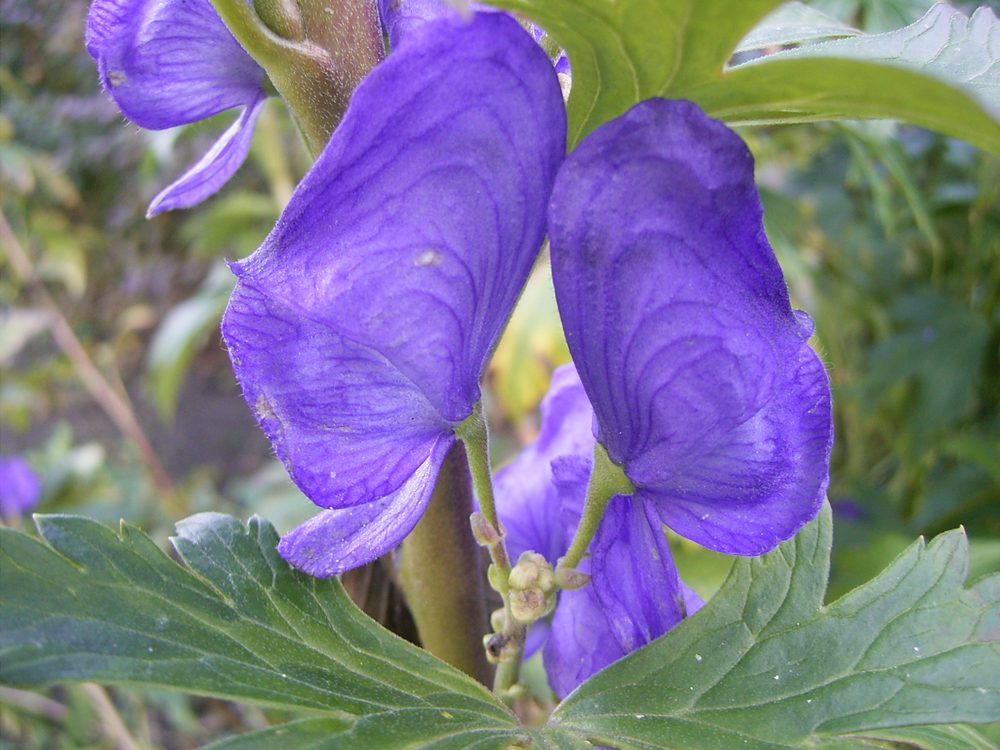
General Description
It is native to China and northern Vietnam in East Asia. It is commonly known as Chinese aconite, Carmichael’s monkshood or Chinese wolfsbane. In Mandarin Chinese, it is known as fùzǐ (附子; meaning daughter root, or lateral root) and as wūtóu (烏頭; lit. “black head”, referring to tuberous mother root, or root tuber); while in Japanese it is named torikabuto (鳥兜; (literally “bird-hat”) after a type of ceremonial phoenix headdress, worn during the shamanic Kagura dance of the miko).
Family Context
The Ranunculaceae family is widely distributed in temperate regions. Notable medicinal members include:
- Black Cumin — 29 documented uses
- Goldenseal — 29 documented uses
- Bugbane — 28 documented uses
- Black Cohosh — 24 documented uses
Geographic Distribution
Aconite has been recorded in 10 countries and territories worldwide, including Austria, China, Germany, United Kingdom, Japan, and others.
Active Compounds
Phytochemical research has identified 30 compounds in this species, including a diverse array of phytochemical classes (see the Complete Chemical Inventory below for the full list).
The identified compounds include the following categories:
- Alkaloid: nitrogenous compounds with diverse pharmacological activities
Research Status
Although this species has documented phytochemical constituents, its ethnobotanical and clinical documentation remains incomplete. Systematic pharmacological studies are needed to validate the traditional uses attributed to this species.